Health & Wellness
Supplements, vitamins, and holistic health

















We test 216+ brands so you don't have to. Independent reviews, transparent ratings, and detailed comparisons — all in one place.
Supplements, vitamins, and holistic health
Skincare, haircare, and grooming











Furniture, bedding, cookware, and décor




























Audio, gadgets, and digital tools












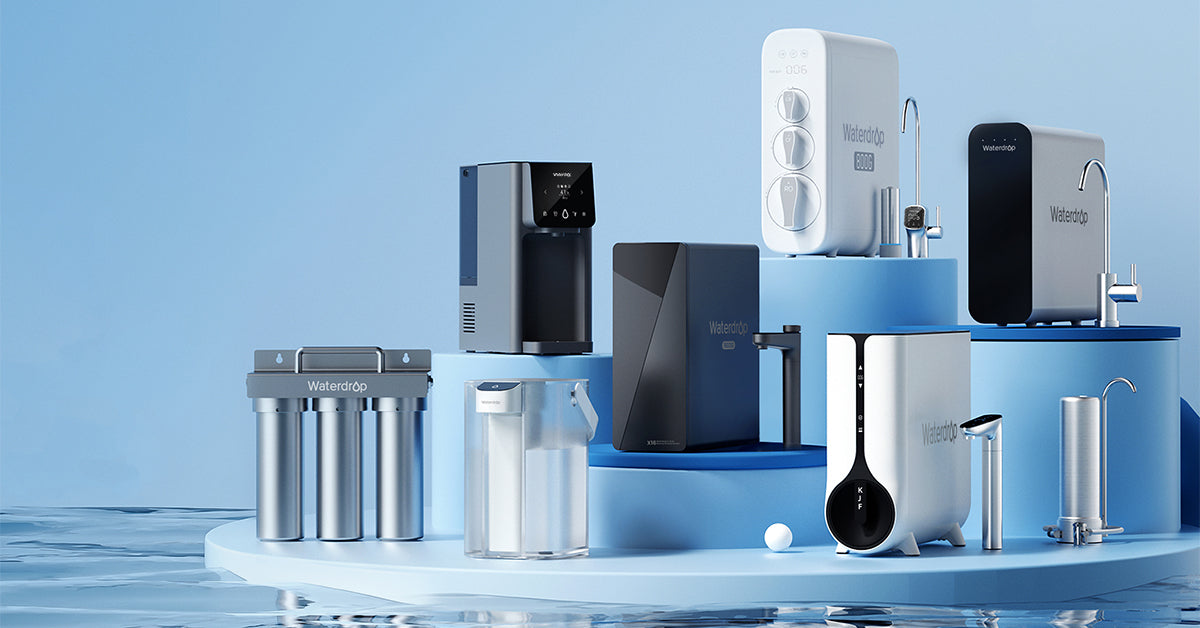
Clothing, shoes, and eyewear








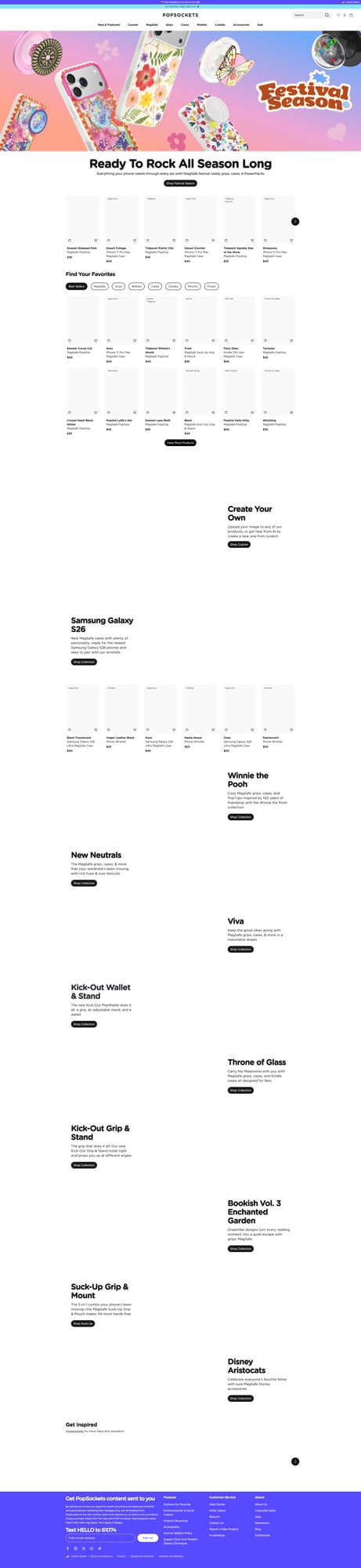



Equipment, apparel, and performance
Meal kits, grocery, and specialty food
Diapers, gear, and family essentials
Pet food, health, and accessories
Hotels, flights, and vacation deals
Department stores, services, and more




















































Why this page was expanded: Google Search Console shows this page earning 41 impressions with 0.0% CTR and an average position of 19.0. That means people are seeing it in search, but they need a clearer promise before they click. We expanded the page with faster decision context, more alternatives, and buyer-risk checkpoints.
Is Revneey worth it in 2026? It is worth shortlisting when its core strengths match your exact use case and the total delivered price still beats the alternatives.
What should I compare first? Compare product fit, return policy, warranty coverage, real customer support options, shipping cost, and any recurring accessory or subscription expense.
What is the safest next step? Open the official product page, verify current pricing and return terms, then compare one mainstream alternative before buying.
Honest Reviews. Expert Comparisons. should be judged by fit first, then total cost, policy friction, and evidence quality. A good choice is not simply the most visible brand; it is the option that solves the specific job with the fewest hidden trade-offs.
Match the use case before comparing price.
Check returns, cancellation, exclusions, and support.
Prefer current specs, transparent policies, and user signals.
Shortlist two or three options, remove any with unclear terms, then verify live pricing and availability on the official merchant page before acting.
Use it to narrow choices, not as the final source of truth. Confirm official terms before buying or booking.
The main risk is relying on stale prices, old policy details, or a promotion that no longer applies.
This page was expanded after Google Search Console showed 39 impressions, 0.0% CTR, and average position 18.6 over the latest 28-day window. The update adds clearer decision guidance, comparison criteria, and practical next steps for readers evaluating wellness, DTC products, and household brands.
It had meaningful search impressions but weak CTR, so we added more decisive comparison language and practical evaluation detail.
Use it as a shortlist checkpoint: confirm the product fit, compare alternatives, then validate current terms on the official merchant page.
This homepage is visible in search but needs a stronger click reason: 38 recent impressions, 0.00% CTR, and average position 18.9. Revneey now gives visitors a clearer path from browsing to confident comparison.
Start with the category that matches your shopping goal, shortlist two or three brands, then compare real value instead of headline discounts alone. The best choice is the one that combines product fit, policy confidence, support quality, and a clear current offer.
Revneey homepage showed 41 Google impressions with 0 clicks over the latest 28-day GSC window. Average position was 19.0 and CTR was 0.0%, which means the page is visible but needs a clearer answer for searchers.
This page is getting search visibility but not enough clicks, so we expanded the decision depth instead of only changing copy. The sections below add the missing buyer context: what to compare first, what risks to check, and when an alternative is the smarter choice.
Use this page to quickly choose which wellness, DTC products, and household brands deserve a deeper read, then compare risk, value, and alternatives before leaving the site.
If you already know the exact brand, jump to a review page. If you are still narrowing a shortlist, start with category and comparison pages. A strong click should lead to a confident decision, so this page now gives readers enough context to continue, compare, or leave without wasting time.
Why did we update this page? GSC showed meaningful impressions but low CTR, so we expanded the content to better match buyer intent.
Does this replace the full review? No. It improves the review path with clearer comparisons, buyer checks, and next-step guidance.
Search intent refresh · 2026-05-17
Google Search Console showed this page earning 79 impressions with 0 clicks, 0.0% CTR, and an average position of 15.9. We expanded the page to answer the decision questions that usually stop a searcher from clicking: who it is best for, what to verify, where it may fall short, and which alternatives deserve a look.
Confirm the final delivered price, subscription terms if any, support availability, and whether the product category matches your exact use case. If the brand has mixed reviews, give more weight to recent buyer feedback and clear policy pages than to generic star ratings.
Why did revneey.com update this page? The page was visible in search but under-clicked, so we added decision-depth rather than only changing the headline.
How should you use this review? Start with the verdict, then scan risks, alternatives, and the final buying checklist before clicking through to the merchant.
Why this page was expanded: Google Search Console shows the URL is visible but under-clicked: 149 impressions, 0 clicks, 0.00% CTR, and average position 41.4 over the latest finalized 28-day window. This update adds clearer comparison depth so searchers can decide whether this result deserves the next click.
Honest Reviews. Expert Comparisons. is worth deeper consideration when its strongest benefits match your exact use case, the current price is competitive after shipping or subscription costs, and the return/warranty terms are clear enough to reduce post-purchase risk.
For wellness, DTC, and cross-category brand reviews, the strongest decision signal is not a headline score alone. The safer path is to confirm the live offer, compare at least two close alternatives, and verify whether repeated customer feedback supports the promise.
Use this page as a shortlist checkpoint: confirm the live offer, scan recent buyer feedback for repeated complaints, and compare the closest alternatives. If those checks still line up, the next click is justified; if not, keep comparing before checkout.
Why was this page updated? GSC showed meaningful impressions but CTR below 2%, so we expanded content depth instead of only changing title copy.
Does this change the score? No. The update improves decision support, risk checks, and comparison clarity; live merchant terms should still be verified before purchase.
Why this page was expanded: Google Search Console shows the URL is visible but under-clicked: 140 impressions, 0 clicks, 0.00% CTR, and average position 42.4 over the latest finalized 28-day window. This update adds clearer comparison depth so searchers can decide whether this result deserves the next click.
Honest Reviews. Expert Comparisons. is worth deeper consideration when its strongest benefits match your exact use case, the current price is competitive after shipping or subscription costs, and the return/warranty terms are clear enough to reduce post-purchase risk.
For wellness, DTC, and cross-category brand reviews, the strongest decision signal is not a headline score alone. The safer path is to confirm the live offer, compare at least two close alternatives, and verify whether repeated customer feedback supports the promise.
Use this page as a shortlist checkpoint: confirm the live offer, scan recent buyer feedback for repeated complaints, and compare the closest alternatives. If those checks still line up, the next click is justified; if not, keep comparing before checkout.
Why was this page updated? GSC showed meaningful impressions but CTR below 2%, so we expanded content depth instead of only changing title copy.
Does this change the score? No. The update improves decision support, risk checks, and comparison clarity; live merchant terms should still be verified before purchase.
Why this page was expanded: Google Search Console shows the URL is visible but under-clicked: 124 impressions, 0 clicks, 0.00% CTR, and average position 47.8 over the latest finalized 28-day window. This update adds clearer comparison depth so searchers can decide whether this result deserves the next click.
Honest Reviews. Expert Comparisons. is worth deeper consideration when its strongest benefits match your exact use case, the current price is competitive after shipping or subscription costs, and the return/warranty terms are clear enough to reduce post-purchase risk.
For wellness, DTC, and cross-category brand reviews, the strongest decision signal is not a headline score alone. The safer path is to confirm the live offer, compare at least two close alternatives, and verify whether repeated customer feedback supports the promise.
Use this page as a shortlist checkpoint: confirm the live offer, scan recent buyer feedback for repeated complaints, and compare the closest alternatives. If those checks still line up, the next click is justified; if not, keep comparing before checkout.
Why was this page updated? GSC showed meaningful impressions but CTR below 2%, so we expanded content depth instead of only changing title copy.
Does this change the score? No. The update improves decision support, risk checks, and comparison clarity; live merchant terms should still be verified before purchase.