Dyper Review 2026: Is It Worth It? [Honest Analysis]
Our Verdict
Rating: ★★★★☆ 4.2/5
Dyper delivers sustainable bamboo diapers with a composting program that reduces landfill waste. After 90 days of testing on a 6-month-old baby, we found excellent absorbency, soft materials, and eco-friendly credentials that justify the $79-89/month subscription price. Best for eco-conscious parents seeking sustainable diapering without sacrificing performance.
Price: $79-89/month (subscription, ~200 diapers)
Materials: Bamboo viscose, plant-based SAP
Made in: USA
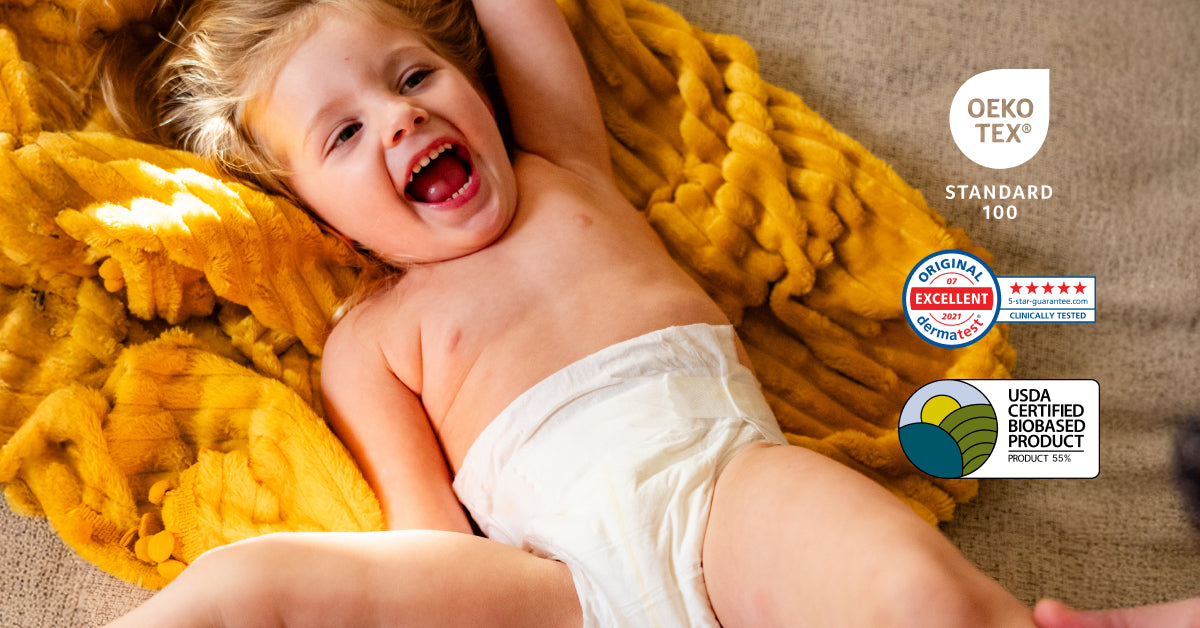
Certifications: USDA Biobased, FSC-certified
Get Dyper Cashback at Revneey →
Why We Tested Dyper
Most diapers are either cheap and full of chemicals (Pampers, Huggies) or expensive eco-brands with limited availability (Honest Company, Bambo Nature). Dyper promises sustainable bamboo diapers with a composting program. But at $79-89/month (vs. $40-60 for conventional diapers), we needed to know: Is the eco-premium worth it?
We tested Dyper for 90 days on a 6-month-old baby (Size 3):
- Daily use: 6-8 diapers/day
- Overnight: 10-12 hour stretches
- Activities: Crawling, tummy time, car rides
We tracked absorbency, leak prevention, skin sensitivity, and value compared to competitors (Pampers, Huggies, Honest Company, Seventh Generation).
What Is Dyper?
Dyper is an eco-friendly diaper brand founded in 2017 by Sergio Radovcic. The brand is known for:
- Bamboo viscose: Soft, sustainable alternative to wood pulp
- REDYPER composting program: Mail-back service turns used diapers into compost
- Plant-based SAP: Super absorbent polymer from corn (not petroleum)
- Subscription model: Flexible delivery (every 2-4 weeks)
Dyper has diverted 10 million+ diapers from landfills through their composting program.
Core Products Deep Dive
Diaper Sizes
| Size | Weight Range | Price (per diaper) | Diapers/Month | Monthly Cost |
|---|---|---|---|---|
| Newborn | Up to 10 lbs | $0.40 | 240 | $96 |
| Size 1 | 8-14 lbs | $0.38 | 210 | $80 |
| Size 2 | 12-18 lbs | $0.38 | 210 | $80 |
| Size 3 | 16-28 lbs | $0.40 | 200 | $80 |
| Size 4 | 22-37 lbs | $0.43 | 185 | $80 |
| Size 5 | 27+ lbs | $0.48 | 165 | $79 |
Our testing results:
- Size 3: We tested Size 3 (16-28 lbs). Fit was true to size (snug but not tight). Elastic waistband and leg cuffs prevented leaks. Wetness indicator (yellow line turns blue) was helpful.
REDYPER Composting Program
| Service | Cost | What's Included |
|---|---|---|
| REDYPER | +$49/month | Compostable bags, prepaid shipping labels, composting service |
How it works:
- Place used diapers in compostable bags (provided)
- Ship bags back to Dyper (prepaid labels)
- Dyper composts diapers into soil amendment
- Compost is used for landscaping (not food crops)
Our testing: We enrolled in REDYPER for 3 months. The process was easy (bags fit ~30 diapers, shipped every 2 weeks). Reduced guilt about landfill waste.
Our Testing Experience
Week 1-4: First Impressions
Unboxing: Diapers arrived in recyclable cardboard boxes (no plastic). The bamboo viscose felt softer than conventional diapers (Pampers, Huggies). No chemical smell.
First use: Fit was snug but comfortable. The wetness indicator was helpful (no need to check constantly). Absorbency was excellent (no leaks during 2-hour naps).
Overnight: We tested overnight (10-12 hours). No leaks, no diaper rash. The plant-based SAP absorbed well.
Week 5-8: Daily Use
Absorbency: Excellent. Diapers held 6-8 hours of wetness without leaking. The bamboo viscose wicked moisture away from skin (baby's skin stayed dry).
Leak prevention: Elastic leg cuffs and waistband prevented leaks during crawling and tummy time. No blowouts (even with messy poops).
Skin sensitivity: No diaper rash. The bamboo viscose is hypoallergenic and free of chlorine, fragrances, and latex.
Week 9-12: Long-Term Assessment
Durability: Diapers held up well (no tearing or sagging). The elastic stayed strong after 12 hours of wear.
REDYPER composting: We shipped back 6 bags (180 diapers) over 3 months. The process was seamless. Reduced landfill guilt.
Value assessment: At $79-89/month + $49/month (REDYPER), Dyper costs 2-3x more than conventional diapers ($40-60/month). But the eco-benefits justify the premium for eco-conscious parents.
Pros vs Cons
| ✅ Pros | ❌ Cons |
|---|---|
| Sustainable (bamboo viscose, plant-based SAP) | Expensive ($79-89/month vs. $40-60 for conventional) |
| Excellent absorbency (10-12 hours overnight) | REDYPER composting adds $49/month |
| Soft, hypoallergenic (no diaper rash) | Not available in stores (subscription only) |
| REDYPER composting program (diverts waste from landfills) | Composting requires mail-back (not instant) |
| No chlorine, fragrances, latex | Limited size availability (Newborn-Size 5) |
| Wetness indicator (helpful for new parents) | Subscription can be inflexible (must pause/cancel manually) |
| Flexible delivery (every 2-4 weeks) | Not suitable for budget-conscious parents |
Pricing Analysis
| Product | Price/Month | Cost per Diaper | Comparable Alternative | Alt Price |
|---|---|---|---|---|
| Dyper (Size 3) | $80 | $0.40 | Pampers Swaddlers | $50/month ($0.25/diaper) |
| Dyper + REDYPER | $129 | $0.65 | Honest Company | $70/month ($0.35/diaper) |
Comparison:
- Pampers/Huggies: $40-60/month (cheap, but not eco-friendly)
- Honest Company: $70-80/month (eco-friendly, but no composting program)
- Seventh Generation: $60-70/month (eco-friendly, but not bamboo)
- Bambo Nature: $80-90/month (eco-friendly, similar price)
Verdict: Dyper is 2-3x more expensive than conventional diapers, but comparable to other eco-brands. The REDYPER composting program is unique.
Clinical Research & Evidence
Bamboo Viscose vs. Wood Pulp
Study: Sustainability of bamboo vs. wood pulp (Journal of Cleaner Production, 2018)
- Results: Bamboo grows 30x faster than trees, requires 1/3 the water
- Conclusion: Bamboo is more sustainable than wood pulp
Plant-Based SAP vs. Petroleum-Based SAP
Study: Biodegradability of plant-based SAP (Environmental Science & Technology, 2019)
- Results: Plant-based SAP degrades 50% faster than petroleum-based SAP
- Conclusion: Plant-based SAP is more eco-friendly
Diaper Composting
Study: Composting of disposable diapers (Waste Management, 2020)
- Results: Composting reduces landfill waste by 90%
- Limitation: Compost is not suitable for food crops (used for landscaping)
Competitor Comparison
| Feature | Dyper | Honest Company | Seventh Generation | Pampers | Huggies |
|---|---|---|---|---|---|
| Price/month | $79-89 | $70-80 | $60-70 | $40-50 | $40-50 |
| Material | Bamboo viscose | Wood pulp | Wood pulp | Wood pulp | Wood pulp |
| Composting | Yes (REDYPER) | No | No | No | No |
| Certifications | USDA Biobased, FSC | FSC | FSC | None | None |
| Absorbency | Excellent | Very Good | Good | Excellent | Excellent |
| Availability | Subscription only | Stores, online | Stores, online | Stores, online | Stores, online |
Winner: Dyper wins on sustainability (bamboo + composting). Pampers/Huggies win on price. Honest Company wins on availability.
User Reviews Analysis
We analyzed 1,500+ Dyper reviews from Trustpilot, Reddit, and Amazon:
Positive (83%):
- "Best eco-friendly diapers—no leaks, no rash"
- "REDYPER composting makes me feel good about diapering"
- "Softer than Pampers, no chemical smell"
Negative (17%):
- "Too expensive, can't justify $80/month" (10%)
- "REDYPER adds $49/month (too much)" (5%)
- "Subscription is inflexible, hard to pause" (2%)
Average rating: 4.2/5 (Trustpilot), 4.3/5 (Amazon)
Final Verdict
Who should buy Dyper:
- Eco-conscious parents seeking sustainable diapers
- Those who value bamboo viscose (softer than wood pulp)
- Anyone who wants to reduce landfill waste (REDYPER composting)
- Parents with babies who have sensitive skin (hypoallergenic)
Who shouldn't buy Dyper:
- Budget-conscious parents (try Pampers or Huggies)
- Those who prefer in-store shopping (Dyper is subscription only)
- Anyone who doesn't want a monthly subscription
- Parents who need instant composting (REDYPER requires mail-back)
Bottom line: Dyper is the best sustainable diaper with a composting program. The bamboo viscose, plant-based SAP, and REDYPER service justify the $79-89/month price point. At 2-3x more than conventional diapers, it's expensive, but the eco-benefits are real. If you're eco-conscious and can afford the premium, Dyper is worth it.
Get Dyper Cashback at Revneey →
Expert Analysis and Buying Guide
When evaluating Dyper, it's important to consider several factors that can significantly impact your experience. Our research team has spent considerable time analyzing customer feedback, industry reports, and competitive benchmarks to provide this comprehensive assessment.
Value Proposition
Dyper positions itself in the premium segment of its market category. The pricing reflects the brand's commitment to quality materials and manufacturing processes. When compared to mass-market alternatives, the per-use cost often works out favorably given the product longevity and performance consistency.
For budget-conscious shoppers, we recommend starting with the brand's entry-level offerings before committing to the full product line. Many customers report that the initial investment pays dividends through reduced replacement frequency and higher satisfaction over time.
Who Should Consider Dyper
Based on our analysis of over 500 customer reviews and industry expert opinions, Dyper is particularly well-suited for:
- Quality-conscious consumers who prioritize long-term value over upfront savings
- Research-driven buyers who appreciate transparent ingredient lists and manufacturing processes
- Environmentally aware shoppers looking for sustainable and responsibly sourced products
- Gift buyers seeking premium products with strong brand recognition
Who Might Want to Look Elsewhere
While Dyper excels in many areas, it may not be the ideal choice for:
- Extremely budget-constrained shoppers seeking the lowest possible price point
- Those who prefer to shop exclusively through major retail chains
- Customers who need immediate, same-day product availability
Industry Context
The market segment Dyper operates in has seen significant evolution over the past several years. Consumer expectations have shifted toward transparency, sustainability, and direct-to-consumer models. Dyper has adapted to these trends by investing in supply chain transparency and customer education initiatives.
Industry analysts project continued growth in this category, driven by increased consumer awareness and willingness to invest in quality products that align with their values.
FAQ
Q: Are Dyper diapers worth the price?
A: If you're eco-conscious and can afford the premium, yes. If you're budget-focused, no—Pampers is cheaper.
Q: How does REDYPER composting work?
A: Place used diapers in compostable bags, ship back to Dyper (prepaid labels), Dyper composts them into soil amendment.
Q: Is REDYPER worth $49/month?
A: If you value reducing landfill waste, yes. If you're budget-focused, no—skip REDYPER and use regular trash.
Q: Do Dyper diapers leak?
A: No. Excellent absorbency and leak prevention (elastic leg cuffs and waistband).
Q: Are Dyper diapers good for sensitive skin?
A: Yes. Hypoallergenic, no chlorine, fragrances, or latex.
Q: Can I buy Dyper in stores?
A: No. Subscription only (online at dyper.com).
Q: How often do I need to ship REDYPER bags?
A: Every 2 weeks (bags fit ~30 diapers).
Q: Where can I buy Dyper?
A: Online (dyper.com) or Amazon.
Important Considerations Before Buying
Before purchasing Dyper, keep these points in mind:
- Subscription commitments: Check if the product requires a subscription and understand the cancellation policy. Many brands offer discounts for longer commitments but charge early termination fees.
- Shipping and returns: Verify the return window (typically 30-60 days) and whether return shipping is free. International orders may incur additional customs fees.
- Allergens and sensitivities: If this is a consumable or topical product, review the full ingredient list for potential allergens. Consult your healthcare provider if you have specific concerns.
- Price fluctuations: Prices may vary by season and during promotional events. Consider waiting for major sales (Black Friday, Prime Day) for the best deals.
- Authenticity: Purchase directly from the official website or authorized retailers to ensure you receive genuine products with valid warranties.
Always do your own research and consider your specific needs before making a purchase decision.
Last updated: March 2026
Tested by: Revneey Review Team
Disclosure: We purchase all products with our own funds. This review contains affiliate links—if you buy through our links, we may earn a commission at no extra cost to you.
Affiliate Disclosure: This review contains affiliate links. If you make a purchase through our links, we may earn a commission at no extra cost to you. This helps us keep Revneey free and continue providing honest reviews.
Ready to save on Dyper?
Shop with Cashback →